Categories
Tags

Vibe Coding: What Every VFX Artist Needs to Know About Working With AI
AI won't make you a better VFX artist. But it will make you a faster one. After a guest talk with Google's Russel Matsuo at SCAD, here's what actually changed how I think about working with AI in production.
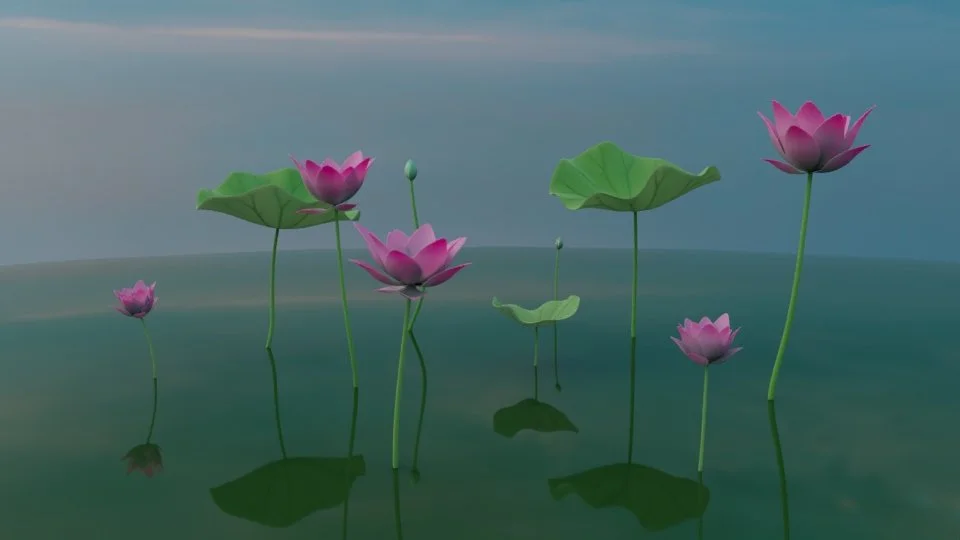
Building a Procedural Lotus Pond in Maya: L-Systems, Python, and Pipeline Architecture
The goal was never to model a lotus. The goal was to design a system that could generate thousands of them. Here's the full technical breakdown of a point-based procedural generator in Maya — and why systems thinking matters more than any single asset.
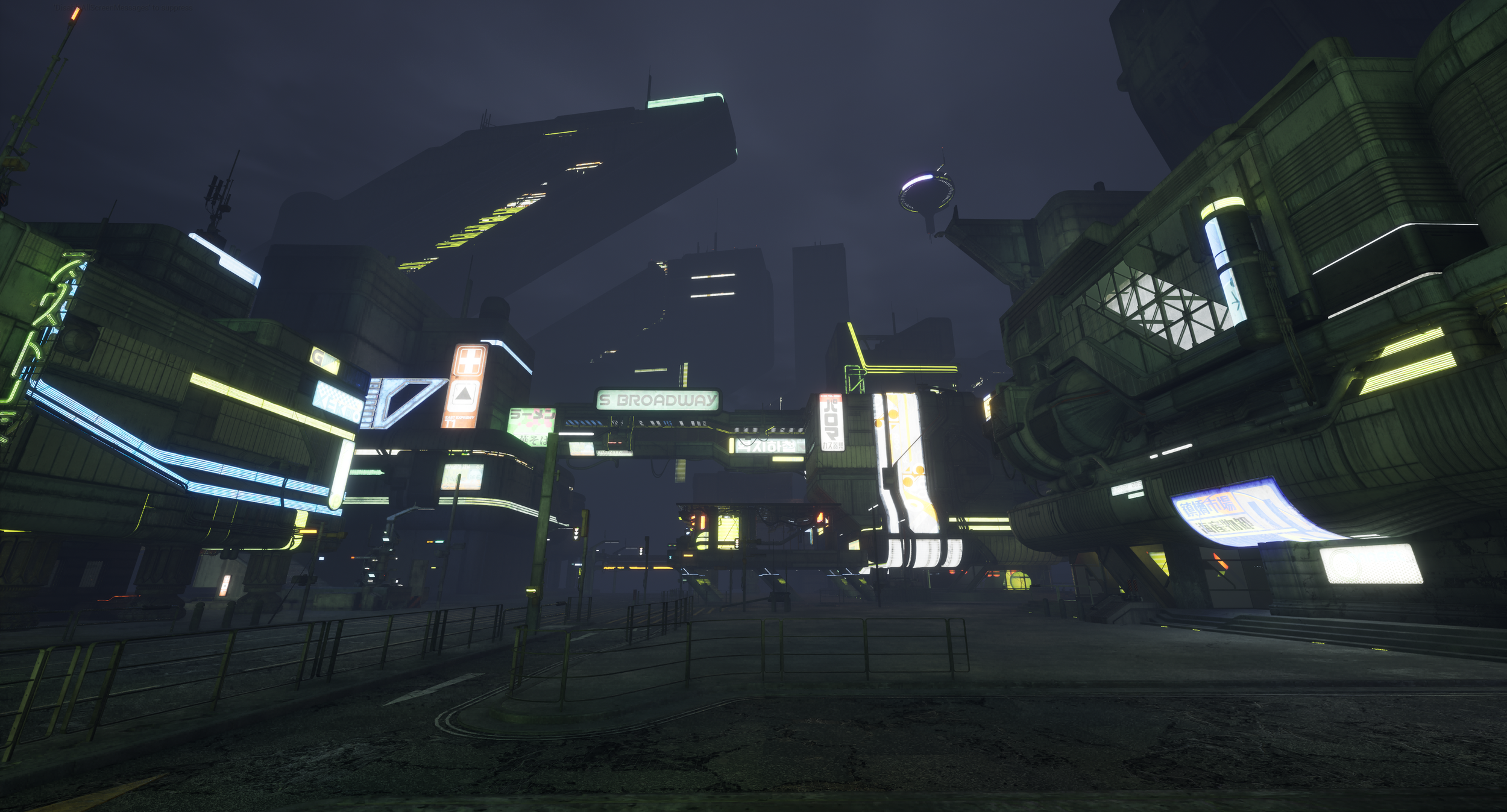
Game Art: Engine Pipeline and Practice
In Game Art: Engine Pipeline and Practices, the focus shifts from offline rendering to the technical immediacy of the real-time pipeline. Mastering Unreal Engine 5 requires a balance of artistic vision and performance-minded implementation—treating the transition from static set dressing to event-driven Blueprints as a rigorous exercise for the creative athlete. From curating atmospheric night-time environments with volumetric fog to scripting interactive "cabinets of curiosities," this practice bridges the gap between high-fidelity aesthetics and functional game production.

Programming Concepts for VFX
A comprehensive documentation of my coursework in VFX 705. This post covers the transition from manual artist to technical director, featuring Python scripting in Maya, custom UI development, and fully procedural modeling systems.

Cinematography for VSFX
VSFX cinematography exercises: forced perspective, twin/doppelganger compositing, green-screen match lighting, and seamless actor replacement.
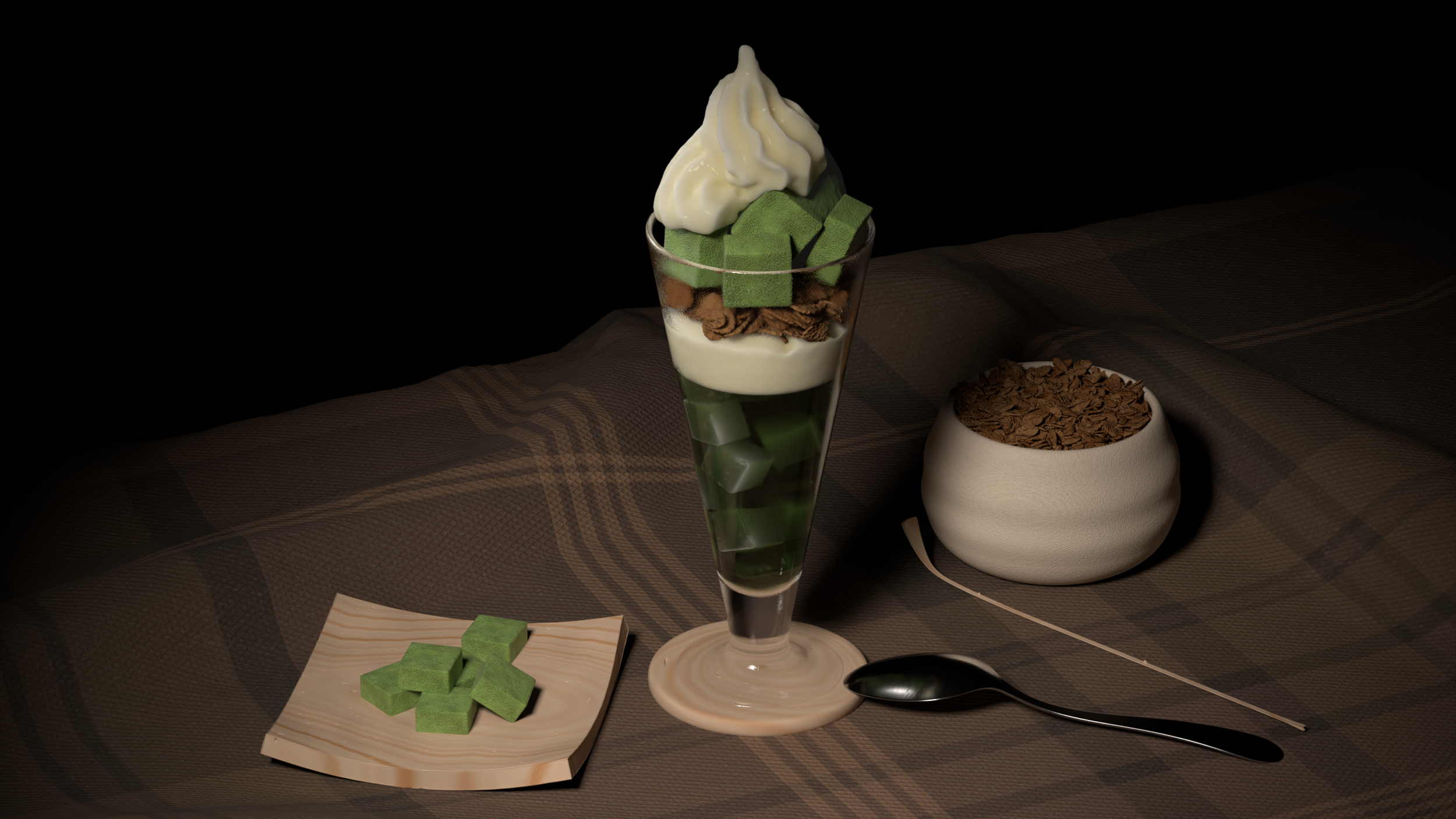
Programming 3D Models and SHaders
From succulent shading to a matcha parfait: what I learned building procedural materials in Houdini with Copernicus/VEX and Solaris/USD.

USD Basics
A living set of USD study notes—key terms, layers/composition arcs, and practical pipeline takeaways (updated Jan 12, 2026).